
Soffit intake corrections
Condensation control needs intake. We open, clear, or properly baffle soffit intake so outside air can enter without insulation blocking it.
Serving Fort Worth, Texas & surrounding areas
24/7 Response • Answered live
One call instead of ten No web forms, no callback spam Booking Fall & Winter 2026
Condensation Ventilation Service · Fort Worth, TX
Stop dripping, damp insulation, and hidden rust before they shorten the life of your roof. We diagnose where moisture is forming and build a ventilation and moisture-control plan that fits your attic, insulation, and roof assembly.
✓ Skip the 3-hour Google rabbit hole — we’ve already done the vetting
✓ One conversation, not ten voicemails and seven web forms
✓ 24/7 response — talk to a real person who actually knows Fort Worth metal roofing
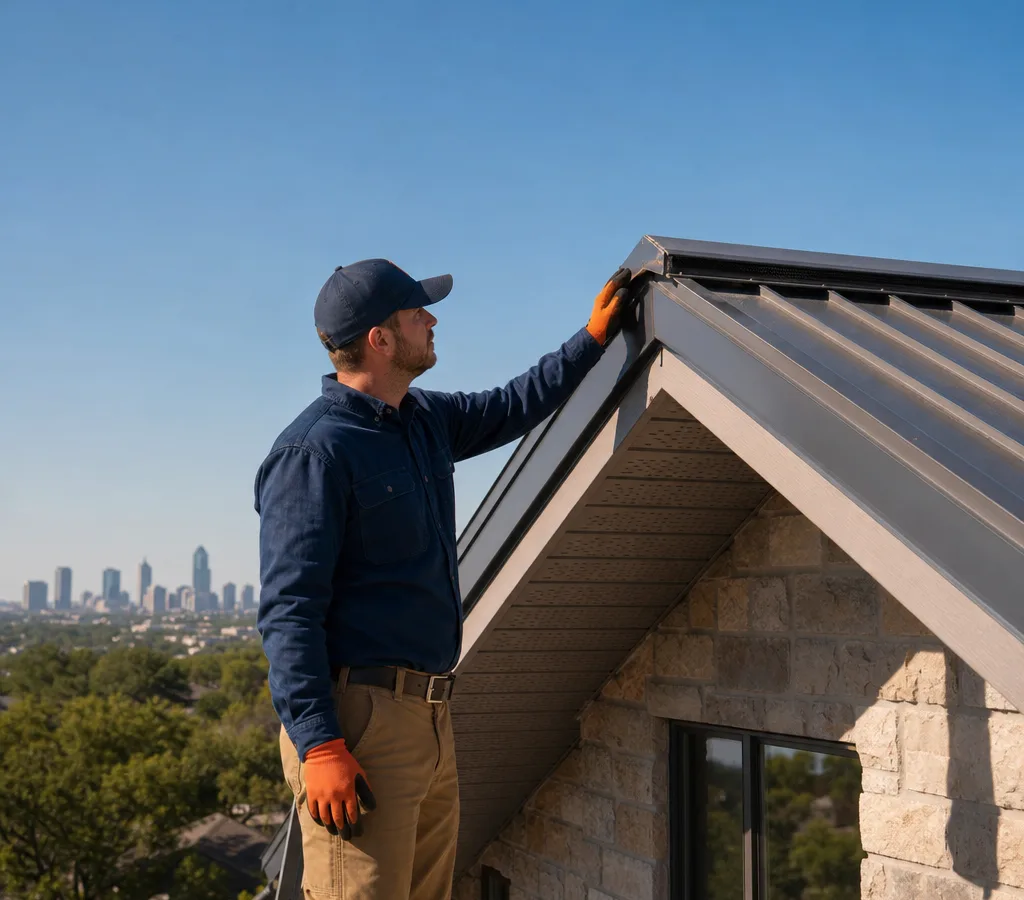
Ridge exhaust and soffit intake inspection
Find the moisture pathway
Metal roof condensation ventilation in Fort Worth usually comes down to warm, moisture-laden indoor air reaching a cold surface. When that air hits the underside of a metal panel—especially overnight or during fast temperature swings—water vapor can condense into droplets and run down to eaves, purlins, or insulation.
In North Texas, it is common to see big day-to-night temperature changes and humid air during parts of the year. Add a bathroom fan that dumps into the attic, a leaky HVAC return, or recessed lights that leak air, and you have the recipe for attic humidity that keeps coming back.
Condensation is not just a nuisance. It can:
The goal is straightforward: move the right amount of air through the right pathways, and prevent indoor moisture from being injected into the attic in the first place.
Inspection before modification
A good fix starts with finding where the moisture is coming from and where it is collecting. Condensation can form under panels, on underlayment, on fasteners, or on the underside of decking, and each points to a different problem.
During an on-site assessment, our team at Metal Roofing Fort Worth TX typically checks:
Many homeowners assume they need “more vents.” Sometimes they do. Other times the fix is air sealing, correcting exhaust fan ducting, or adding the right condensation-control layer so moisture cannot reach the metal in the first place.
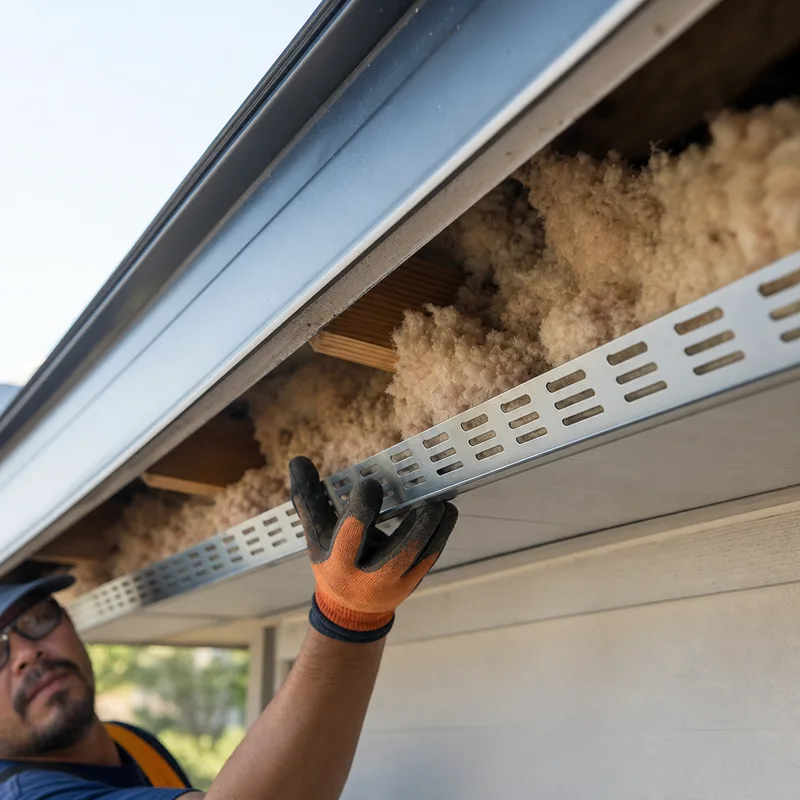
Open soffit-to-attic airflow pathway
Targeted moisture control
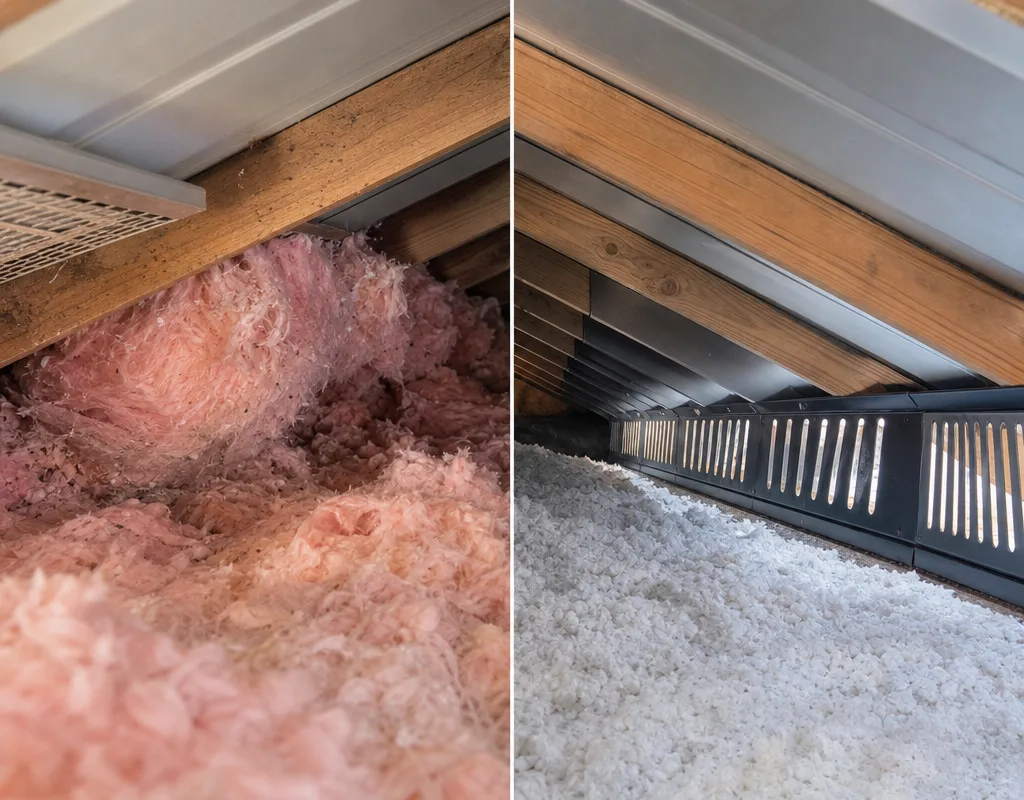
Condensation control needs intake. We open, clear, or properly baffle soffit intake so outside air can enter without insulation blocking it.
We evaluate ridge venting and other exhaust types to move air out at the top of the roof without short-circuiting airflow or pulling conditioned air from the home.
Sealing penetrations slows humid indoor air from entering the attic. This often matters as much as vent changes, especially around bath fans and attic access points.
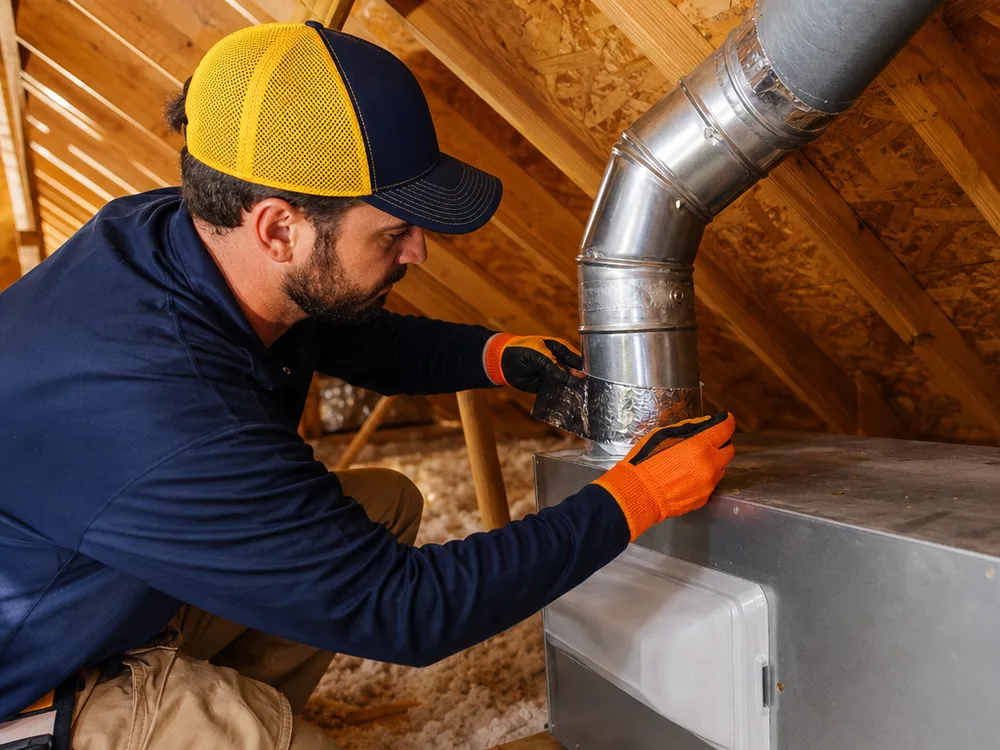
If a bathroom fan or dryer vent terminates in the attic, or a duct is disconnected, ventilation alone will not keep up. We identify and correct these sources.
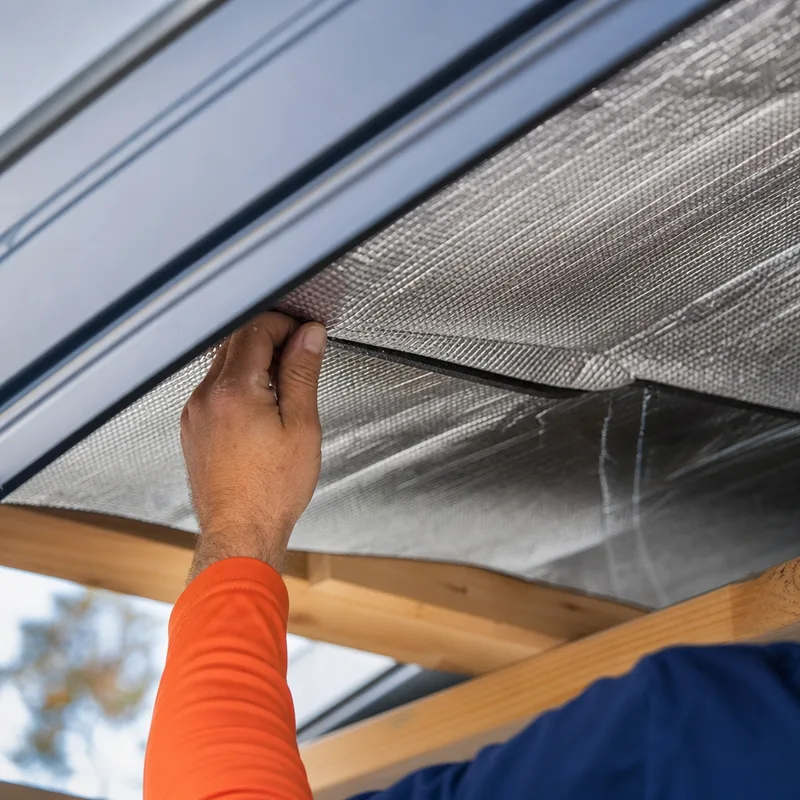
Depending on your roof assembly, that can mean a suitable underlayment strategy or an approved anti-condensation membrane under panels to reduce dripping at the source.
We focus on the right mix of intake and exhaust for your roof geometry, so airflow moves through the attic instead of swirling in one area.
Balanced from eave to ridge
A correct ventilation setup is not a random collection of vents. It is a system that creates predictable airflow: outside air enters low through intake, travels through the attic or designed air space, and exits high through exhaust.
For many Fort Worth homes with vented attics, the most common goal is balanced soffit intake and ridge exhaust. The exact configuration depends on your roof shape, attic size, and any areas that are vaulted or sealed off.
A few practical details matter a lot:
We also take wind into account. Fort Worth sees plenty of gusty days, and a system too reliant on one type of vent in a sheltered roof area may not move air evenly. That is why the assessment matters before any cut-ins or retrofit work.
We inspect attic conditions, vent locations, insulation coverage at eaves, and common leakage points that inject warm, damp air into the attic.
You get a clear plan that explains intake corrections, exhaust changes, air sealing, and any recommended condensation-control layers, with options based on budget and access.
We complete the agreed upgrades with attention to weatherproofing, code-appropriate venting practices, and preserving roof performance.
We confirm airflow pathways are open, review what to watch for after the next few weather swings, and answer practical maintenance questions.
Planning your moisture-control work
Most metal roof condensation ventilation projects in Fort Worth typically range from about $450 to $2,500+, depending on whether the work is a simple intake or exhaust correction or a more involved retrofit that includes air sealing and condensation-control materials. Smaller fixes like clearing blocked soffit intake or adding baffles often fall on the lower end, while complex rooflines, limited attic access, or multiple ventilation components raise the total.
Final price depends on vent types and quantities, attic accessibility, how much insulation has to be moved or protected, and whether moisture sources such as misrouted bath fan ducts need correction. The exact cost is confirmed after an on-site inspection of the attic and roof assembly.
Visible pathways and source control
Practical answers before work begins
It can be either, but repeated staining that appears after cool nights or big temperature swings often points to condensation rather than a penetration leak. Condensation usually shows up as damp insulation, droplets on fasteners, or moisture on the underside of the roof deck even when flashing looks intact. An attic inspection can separate a true leak path from moisture forming across a broader area.
A ridge vent helps only if there is enough soffit intake to feed it and a clear air path from eave to ridge. If intake is blocked by insulation, or if the attic is pulling humid air from the house through ceiling leaks, a ridge vent alone will not fix the problem. The right approach is balancing intake and exhaust and reducing indoor moisture entering the attic.
Sometimes, but they are not a default solution because they can depressurize the attic and pull conditioned, humid air from the living space through gaps. That can add moisture faster than the fan removes it. In Fort Worth homes, we only recommend powered ventilation when the intake and air-sealing conditions support it and passive options are insufficient.
The most common sources are bathroom exhaust fans venting into the attic, disconnected or crushed flex ducts, unsealed attic hatches, and air leaks around ceiling penetrations like recessed lights. Any of these can push warm, humid indoor air into a cooler attic, where it condenses on metal or underlayment.
Often, yes. Many fixes focus on restoring existing intake by clearing soffits or adding baffles and sealing leakage points so attic humidity drops. If the attic has inadequate exhaust for the roof design, adding exhaust ventilation may still be the best long-term move, but we start with the least invasive changes that actually address the cause.
Many Fort Worth projects are completed in a single visit when access is straightforward and the scope is limited to intake or exhaust balancing and air sealing. More involved work, complex rooflines, or repairs requiring careful insulation handling can take longer. You will get a realistic timeline after the inspection and written scope.
Inspect the source before adding vents
Tell us what you are seeing—drips, stains, wet insulation, or musty smells—and we will inspect the attic and roof assembly and give you a practical ventilation and moisture-control scope for your Fort Worth home.