
Impact-rated systems
Some insurers tie credits to recognized impact standards, often UL 2218. The roof type alone is not the deciding factor; the specific product and rating matter.
Serving Fort Worth, Texas & surrounding areas
24/7 Response • Answered live
One call instead of ten No web forms, no callback spam Booking Fall & Winter 2026
Insurance-Focused Metal Roofing · Fort Worth, TX
If you are replacing a roof in Fort Worth, a metal system can improve durability and may qualify your property for insurance credits. Get a clear scope, code-aware options, and the documentation insurers usually ask for.
✓ Skip the 3-hour Google rabbit hole — we’ve already done the vetting
✓ One conversation, not ten voicemails and seven web forms
✓ 24/7 response — talk to a real person who actually knows Fort Worth metal roofing
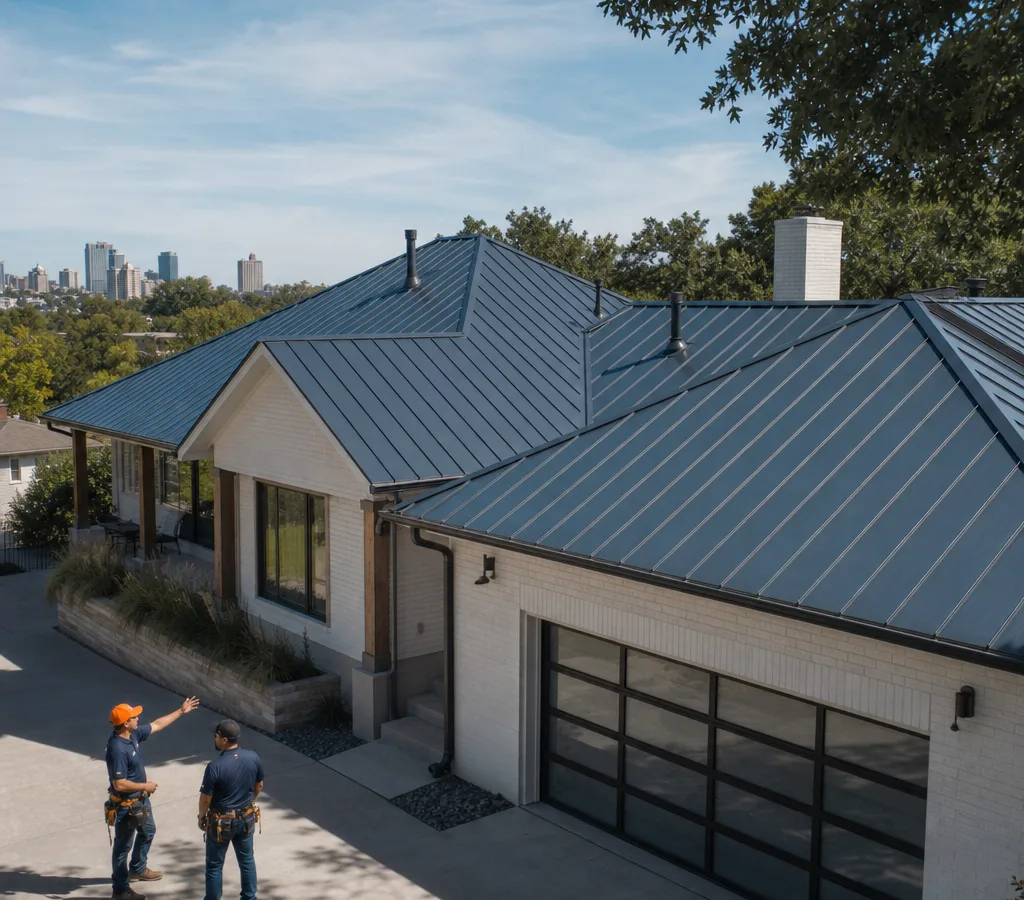
Documented metal system with clean finished details
Proof drives eligibility
Searching for a metal roof insurance discount Texas homeowners can actually use usually leads to the same reality: insurers do not offer one universal discount for metal. Instead, many carriers apply credits based on documented impact resistance, roof covering classification, and the way the roof is detailed and installed.
In North Texas, hail and straight-line wind are common causes of roof claims. Because of that, an insurer may look for evidence that your new roof meets a recognized performance standard—for example, an impact-rated metal panel system—and that the work was completed to current building code.
A practical way to think about it is: discounts, when available, are driven by paperwork and proof. If you cannot show what was installed, how it was installed, and that it meets a standard your carrier recognizes, it is harder to get any credit applied.
Metal Roofing Fort Worth TX helps property owners in Fort Worth, TX 76102 plan upgrades with both performance and documentation in mind. We can walk you through what to ask your insurance agent, what to request from the manufacturer, and what to keep in your records after the job is complete.
Build the closeout file early
Most insurance companies want a few specific items to evaluate a metal roof insurance discount Texas policyholders are asking about. Requirements vary by carrier, but these are common requests:
If you are in Fort Worth, it is also smart to keep any paperwork related to city inspections in your project file. Even when an insurer does not request it upfront, having it available can speed up underwriting questions.
Before you commit to a roof style, talk with your agent about exactly what your carrier credits. Then we can quote and build to match those requirements rather than guessing.
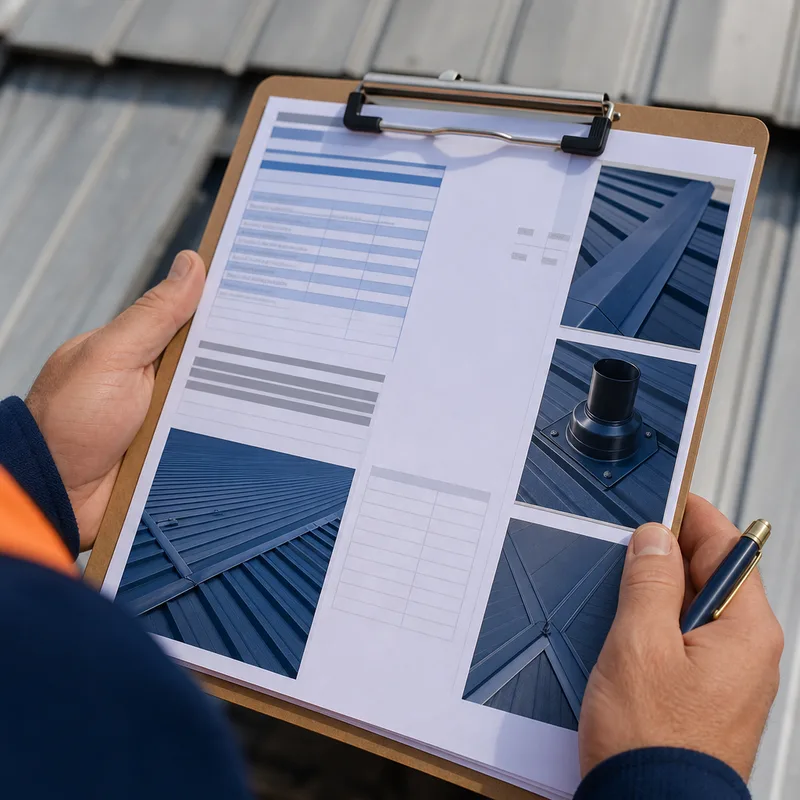
Product specifications, completion records, and detail photos
System details underwriting may review
Some insurers tie credits to recognized impact standards, often UL 2218. The roof type alone is not the deciding factor; the specific product and rating matter.
Proper fastening patterns, underlayment, and sound roof decking are part of what makes a system perform in wind and weather. If the deck is compromised, the best panel will not behave like it should.
Leaks usually happen at transitions, not in the middle of a panel. Clean headwalls, valleys, and pipe boots help prevent water intrusion and can support smoother post-install inspections.
Fire ratings are typically based on the entire roof assembly. If your carrier asks, you will want paperwork that matches the exact assembly installed.
A tidy closeout packet—product specs, photos, invoice, and permit or inspection information when applicable—helps your agent submit the request without delays.
Plan for North Texas exposure
Fort Worth roofs take a beating from hail season, high summer heat, and sudden wind shifts. Those conditions affect more than comfort. They influence what your insurer cares about.
Hail: If your policy and carrier offer any credit related to impact resistance, the rating and system details matter. With metal, hail performance depends on panel profile, gauge, substrate, and how the system is supported. Cosmetic denting is also a policy topic. Some policies treat cosmetic damage differently than functional damage, so clarify that with your agent before selecting a roof.
Heat and sun: North Texas UV exposure is hard on exposed materials. Metal roof finishes, underlayment choices, and ventilation details influence how the roof holds up over time. While heat alone does not guarantee a discount, long-term performance reduces the odds of early replacement.
Older neighborhoods versus newer builds: In areas with a mix of older housing stock, roof deck condition can vary substantially by house. If decking needs repair, it is best handled during tear-off so the new metal system is built on a solid base.
If you want a fast, clean insurance review, plan the project like an audit: choose an appropriate rated system, install it correctly, and keep the paper trail.
Inspection through closeout
You tell us the carrier and what your agent says they credit—impact rating, roof type, assembly rating, or inspection form. If you do not have the details yet, we will give you a short list of questions to ask.
We check roof geometry, penetrations, existing layers, decking condition, and drainage. Then we write a scope that matches the system requirements and local code realities.
We recommend options where the manufacturer can supply documentation insurers commonly request, such as impact-classification sheets and product identifiers.
We focus on ridge and hip caps, valleys, sidewalls and headwalls, pipe boots, fastener placement, and edge metal—the parts that commonly appear in inspection photos.
After completion, you receive the information most homeowners end up chasing later: product identification, the invoice, and a photo set that helps support an insurance credit request.
On-site pricing required
A metal roof replacement in Fort Worth typically ranges from $12,000 to $35,000+ for many single-family homes, depending on roof size, slope complexity, tear-off needs, and the metal system selected. Simpler exposed-fastener systems often price lower, while standing seam and heavier-gauge, impact-rated assemblies tend to price higher.
Your final cost changes with decking repairs, ventilation upgrades, chimney or wall flashing complexity, and how many penetrations and valleys are on the roof. The exact price is confirmed after an on-site inspection and a written scope that matches your home and any insurance documentation goals.
If your goal is a metal roof insurance discount in Texas, start with a roof plan that produces the proof your insurer wants, not a stack of vague paperwork.
Call for a Free EstimatePractical answers before you build
No, discounts are carrier-specific and are usually tied to documented ratings, such as impact resistance, rather than the fact that the roof is metal. Your agent can confirm what credits your policy offers and what documentation they require to apply them.
Many carriers that offer hail-related credits look for UL 2218 impact classifications, often Class 3 or Class 4, but requirements vary. Ask your agent which standard they accept, then select a metal roof system with manufacturer paperwork matching that standard.
Not automatically. Standing seam is a roof style; eligibility is typically based on the product's tested ratings and the installed assembly. Two standing seam roofs can perform differently depending on gauge, substrate, underlayment, and detailing.
Sometimes, but it depends on your carrier and the roof assembly's documentation. Some insurers want clear proof of the installed system and may ask about added layers, decking condition, or attachment, so confirm before choosing an overlay approach.
Keep the invoice and scope, manufacturer product identification, impact or fire rating documentation provided for the system, and clear photos of key details like valleys and penetrations. In Fort Worth, retain permit and inspection records if your project required them.
Many residential projects take several days to about two weeks depending on size, complexity, weather, and whether decking repairs are needed. Scheduling can also be affected by material lead times, especially for certain standing seam profiles or colors.
No roof can guarantee zero damage in a severe hail event. A properly selected impact-rated metal system can reduce the likelihood of functional damage, but cosmetic denting can still happen, and policy language varies on how cosmetic damage is handled.
Plan the roof and the records together
Tell us what you are trying to accomplish and what your agent is asking for. We will inspect the roof, outline the metal options that fit those requirements, and provide the documentation you can hand to underwriting.